
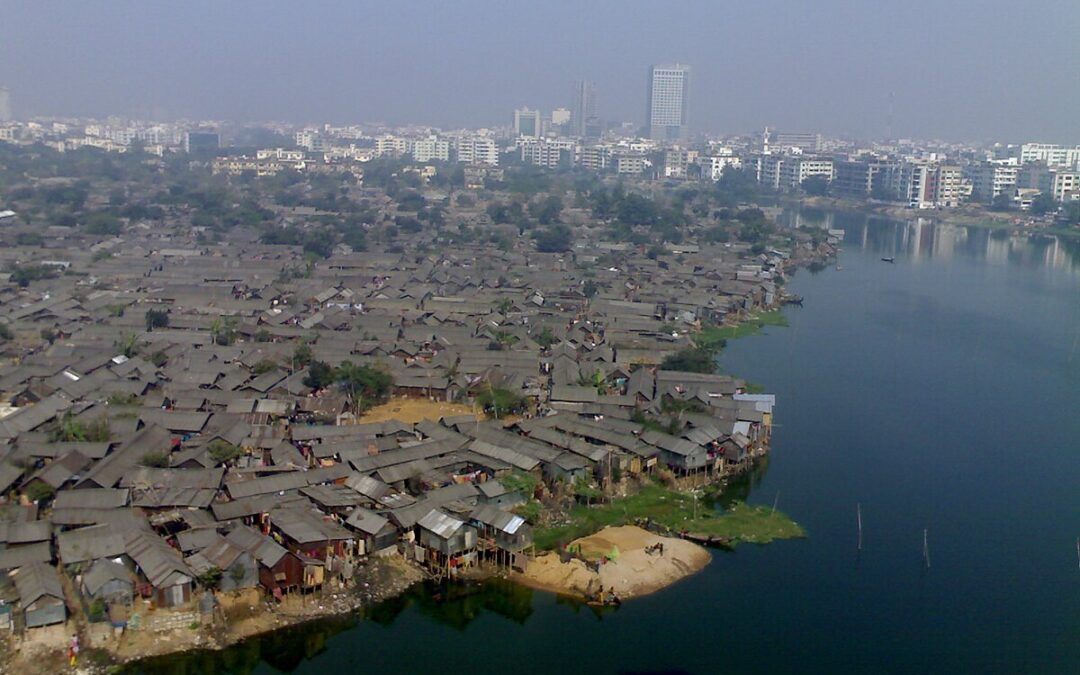
The Urban Poverty Paradox: Rising Inequality amid Economic Growth
Bangladesh often draws attention as an example of development success, with extensive literature exploring its poverty dynamics and underlying drivers. The country managed to more than halve its poverty rate and sustain almost consistent year-on-year growth within...
The Illusion of Recovery: Bangladesh’s Economy on the Eve of 2026
Bangladesh’s economy seems to be stabilizing at first blush. Reserve levels have climbed, imports have slowed, and officials are finding some signs of resilience in the aftermath of a tumultuous period. For a country accustomed to absorbing shocks, this narrative of...
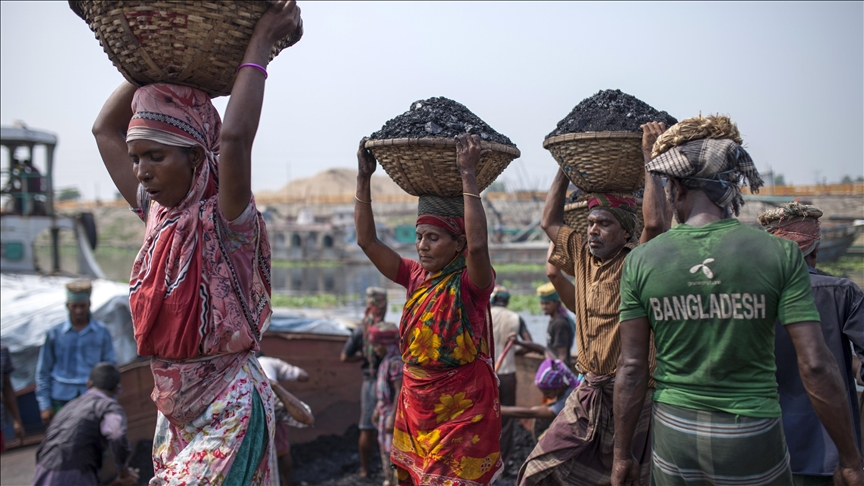
A New Social Contract for Workers in Bangladesh
At dawn in Gazipur, when garment factory lights flicker on, and the streets begin to stir, thousands of workers make their way through narrow lanes with lunch boxes in hand and hope that today will be kinder than yesterday. The workers’ lives are built on effort,...
Bangladesh’s Poverty Reversal: Causes and Policy Priorities
Bangladesh's poverty rate fell from about half the population in the 1990s to one-fifth by 2019. However, this progress proved fragile. COVID-19 and related measures disrupted jobs, enterprises, remittance flows, and supply chains. Estimates show sharp, temporary...
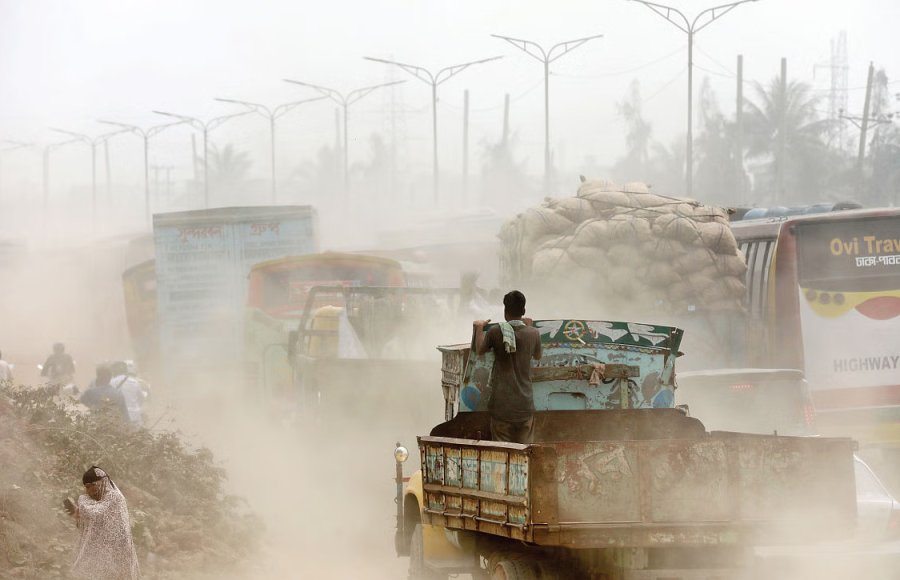
From Emissions to Actions: Transport Commitments in Bangladesh’s NDC 3.0
Bangladesh’s transport sector stands at a critical juncture, where the shift to green mobility is no longer a choice but a necessity for climate-focused and sustainable development Every day, commuters in major cities in Bangladesh navigate heavy traffic, surrounded...
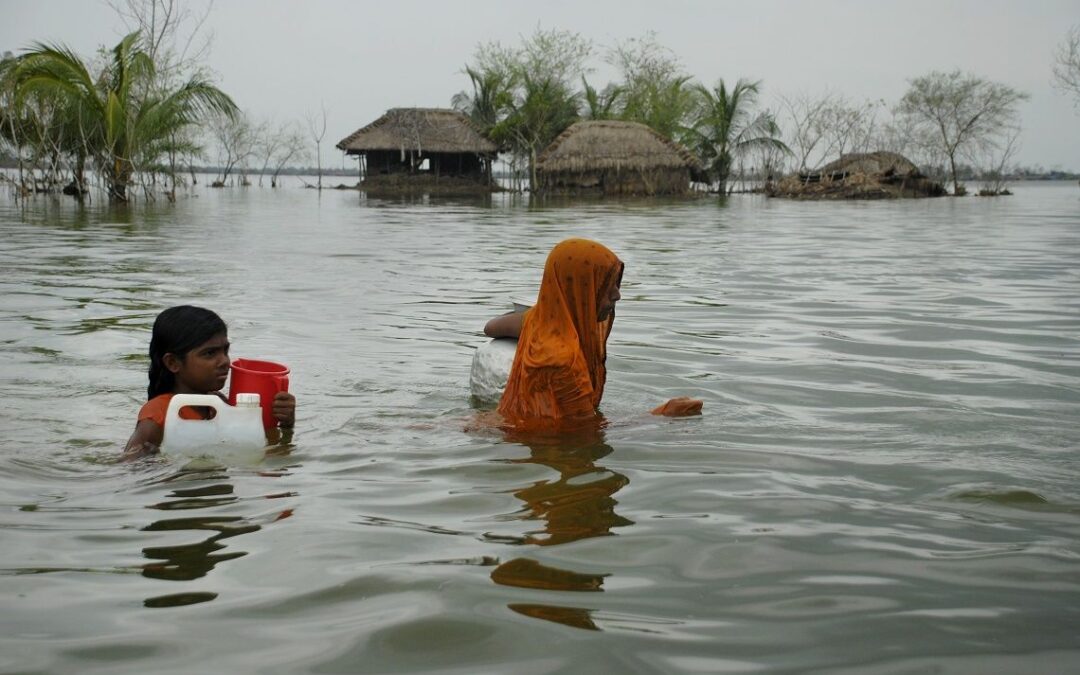
COP30: A Milestone Marked by Missed Chances
When the 30th session of the COP30 concluded on November 22, 2025, in Belém, Brazil, many left the Amazon-flanked venue with a sense that the summit had once again delivered more promise than payoff. On paper, the so-called Belém Package, a bundle of 29 decisions...
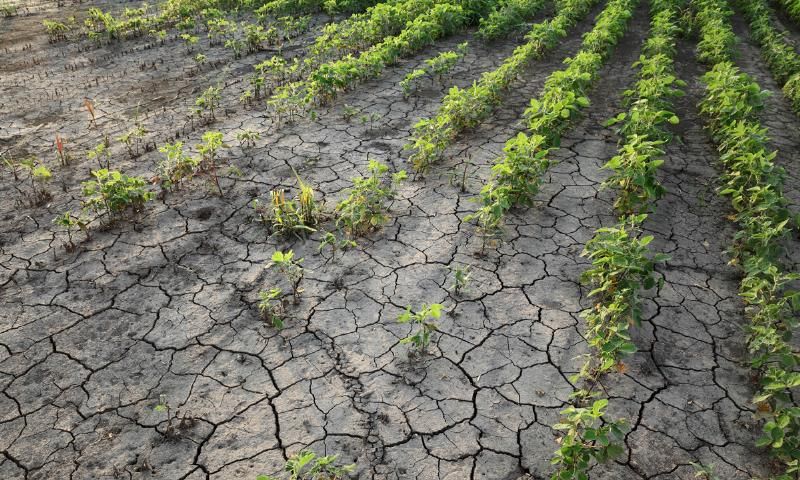
CLIMATE CHANGE AND AGRICULTURE IN BANGLADESH: BRIDGING NDC 3.0 AMBITIONS WITH COP30 FINANCING COMMITMENTS
One of the central issues raised at the COP30 conference was adaptation financing. In the context of Bangladesh, agriculture emerges as the sector demanding the highest priority in adaptation financing. Agriculture is a climate-sensitive sector that plays a role in...
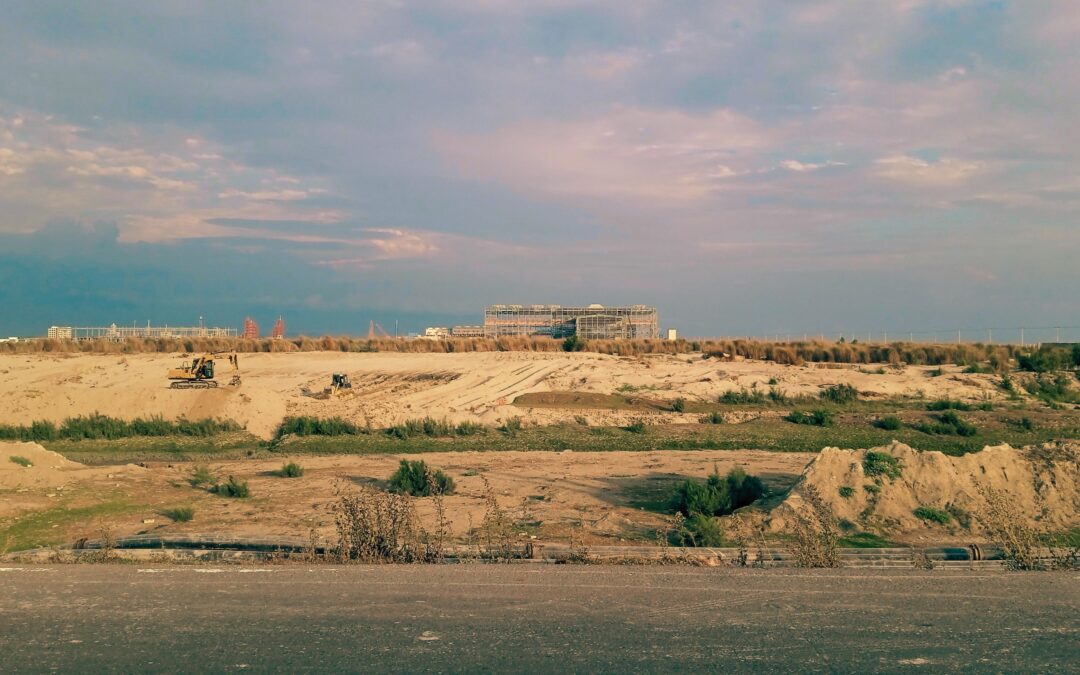
Bangladesh’s Infrastructure Paradox: Between Bold Vision and Bitter Reality
Bangladesh has consistently articulated ambitious goals for its future. In the last decade, the government has unveiled one transformative blueprint after another—industrial hubs to lure global investors, deep-sea ports to anchor regional trade, and tourism parks to...
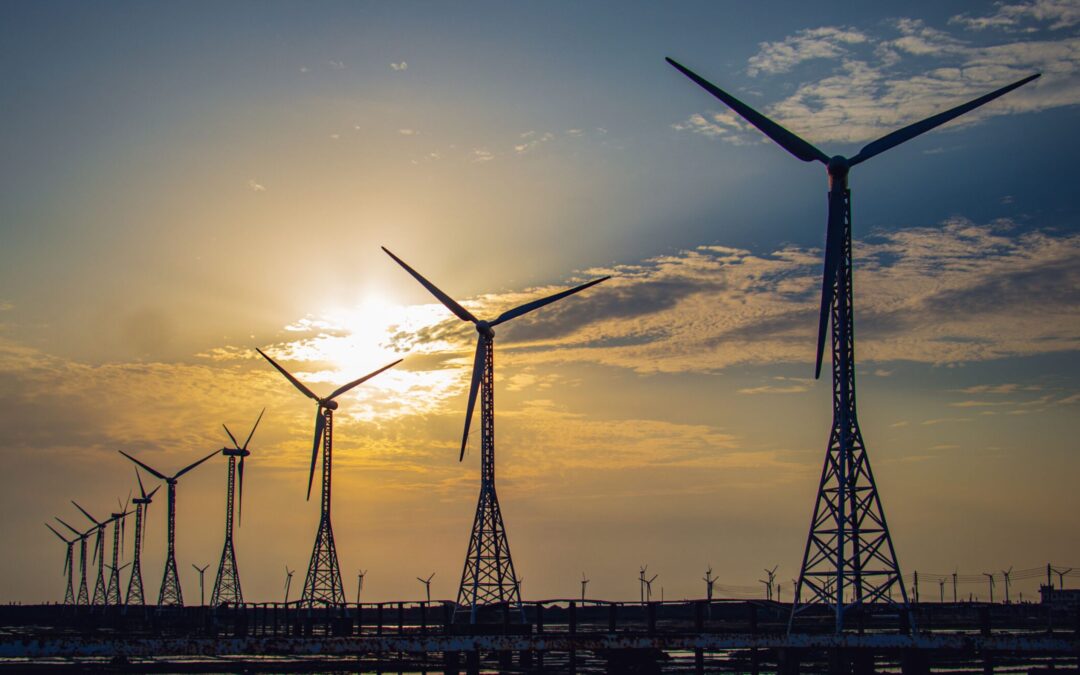
Energy Efficiency is Bangladesh’s Invisible Power Plant
Every unit of energy saved carries more value than one produced, because imported fuel travels long distances, accumulates technical losses, and costs the country twice over. A kilowatt hour conserved at the source prevents the need for two kilowatt-hours of costly...
Bangladesh Needs a Two-Year Economic Recovery Agenda
Bangladesh stands at a crossroads—again. The economy, once the envy of the developing world for its steady growth and poverty reduction, is now caught in a slow, uncertain transition. Growth has weakened, private investment has stalled, the poverty situation has...

















































RECENT COMMENTS